
Few political leaders in modern India have witnessed a rise as remarkable as that of Yogi Adityanath. Known for his distinctive saffron robes, strong leadership style, and focus on governance, Yogi Adityanath has become one of the most influential political figures in the country. Since taking office as the Chief Minister of Uttar Pradesh in March 2017, he has transformed both the political and administrative landscape of India’s most populous state.
Today, Yogi Adityanath is not only Uttar Pradesh’s longest-serving Chief Minister but also one of the most widely recognized state leaders in Indian politics.
Early Life: The Journey of Ajay Singh Bisht
Born as Ajay Mohan Singh Bisht on June 5, 1972, in Panchur village of present-day Uttarakhand, Yogi Adityanath came from a humble family background. His father worked as a forest ranger, while his mother managed the household.
A bright student, he completed a Bachelor’s degree in Mathematics before choosing a path that would completely change his life. In the early 1990s, he left home and became associated with the Gorakhnath tradition. Under the guidance of his spiritual mentor, Mahant Avaidyanath, he embraced monastic life and later emerged as one of the most influential leaders of the Gorakhnath Math.
Following the passing of his guru, Yogi Adityanath became the head priest (Mahant) of the Gorakhnath Math in 2014, strengthening his influence across eastern Uttar Pradesh.
Political Rise: From Gorakhpur MP to Chief Minister
Yogi Adityanath entered active politics at a remarkably young age. In 1998, at just 26 years old, he was elected to the Lok Sabha from Gorakhpur, becoming one of the youngest Members of Parliament in the country.
His popularity in the region continued to grow, and he won five consecutive parliamentary elections from Gorakhpur. During this period, he established the Hindu Yuva Vahini, which became a significant socio-political force in eastern Uttar Pradesh.
In 2017, following the Bharatiya Janata Party’s historic victory in Uttar Pradesh, Yogi Adityanath was chosen as the state’s Chief Minister—a decision that surprised many political observers but would go on to redefine the state’s governance model
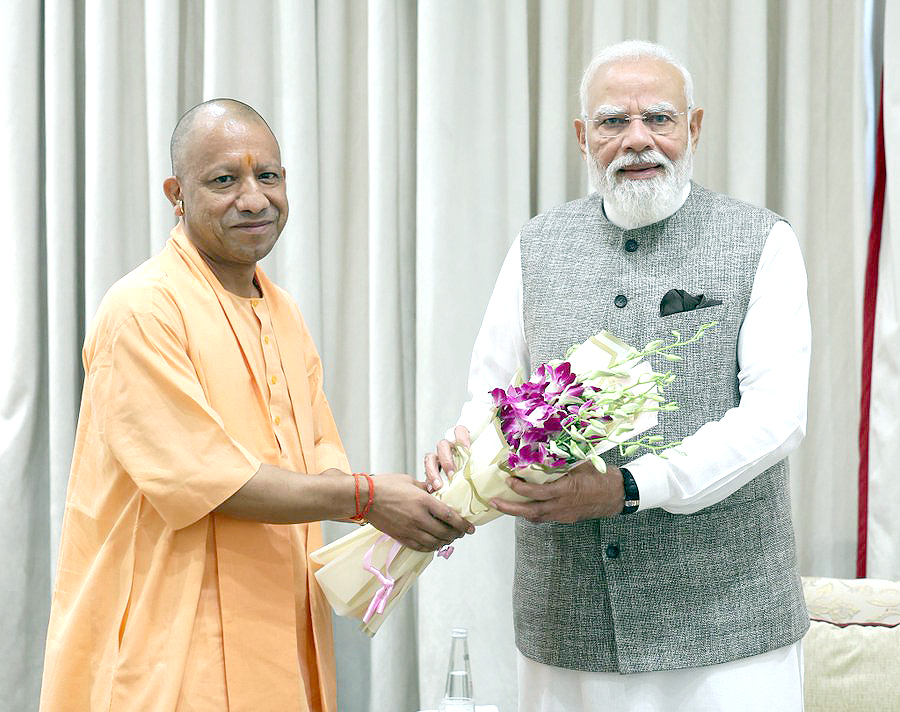
The Yogi Adityanath Governance Model
Since assuming office, Yogi Adityanath has focused on three key pillars:
- Law and order
- Infrastructure development
- Economic growth and investment
His administration’s governance style is often referred to as the “Yogi Model,” characterized by strict enforcement, centralized monitoring, and rapid project execution.
Strengthening Law and Order in Uttar Pradesh
One of the most frequently discussed aspects of Yogi Adityanath’s tenure has been his emphasis on improving law and order.
The government adopted a zero-tolerance policy toward organized crime, mafia networks, and criminal gangs. Supporters argue that this approach has improved public safety and boosted investor confidence across the state.
The administration also gained national attention for demolishing properties linked to alleged criminals, a practice popularly known as “Bulldozer Action.” This led to Yogi Adityanath being nicknamed “Bulldozer Baba.”
While many citizens praised the tough stance against crime, critics and legal experts raised concerns regarding due process. The issue has also received scrutiny from courts, highlighting the importance of balancing enforcement with constitutional safeguards.
Driving Economic Growth Through the ODOP Scheme
One of Yogi Adityanath’s most notable achievements has been the launch of the One District One Product (ODOP)initiative.
The scheme aims to revive traditional industries, handicrafts, and local manufacturing by promoting products unique to each district. From Bhadohi carpets and Lucknow chikankari to Moradabad brassware, ODOP has helped many local businesses access national and international markets.
Today, the scheme is often cited as a successful example of grassroots economic development and self-reliance.
Infrastructure Revolution Under Yogi Adityanath
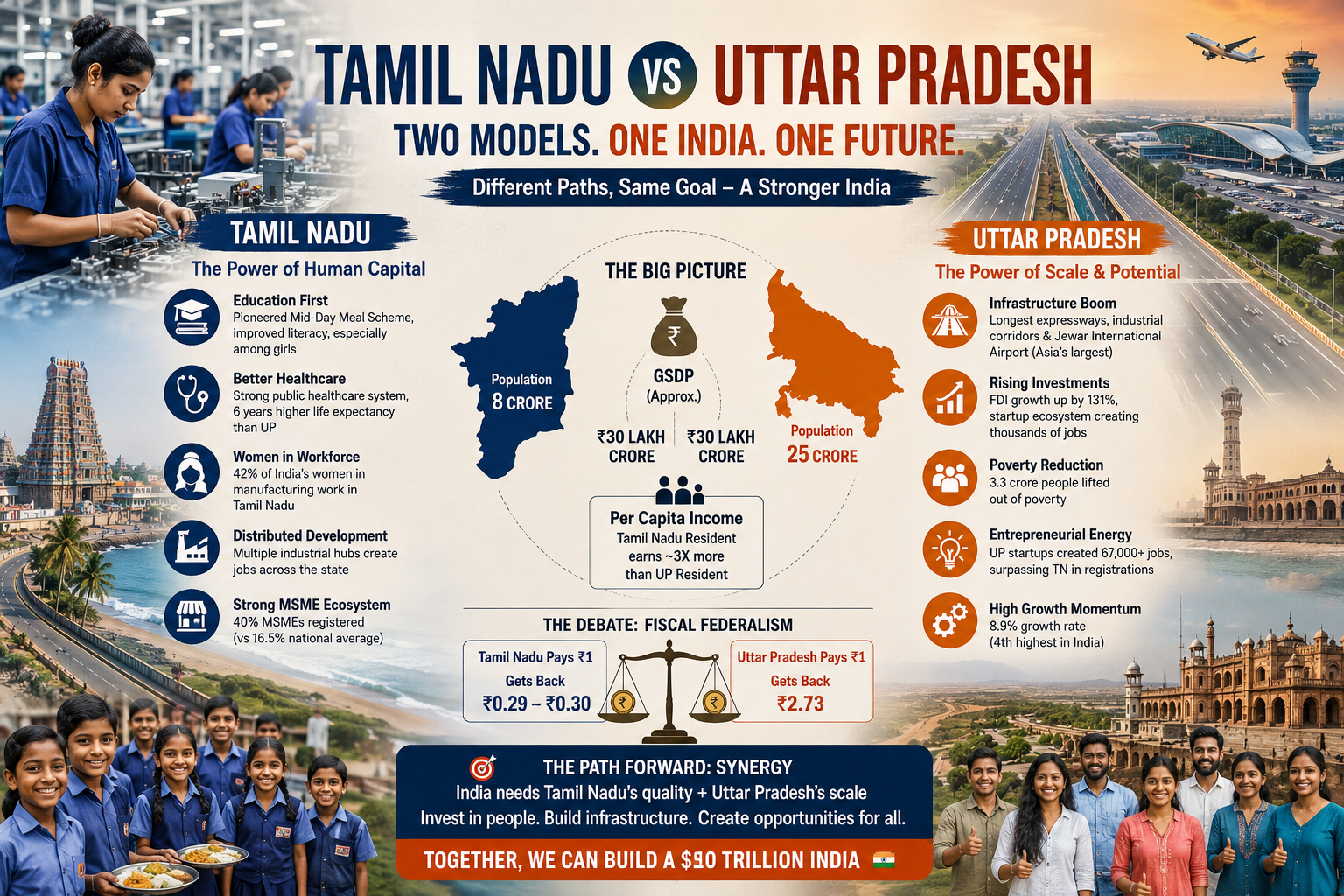
Infrastructure has become one of the defining features of Uttar Pradesh’s transformation under Yogi Adityanath.
The state has witnessed rapid development of:
- Expressways
- Airports
- Industrial corridors
- Metro rail networks
- Logistics hubs
Major projects such as the Defence Industrial Corridor, Purvanchal Expressway, Bundelkhand Expressway, and the Noida International Airport have positioned Uttar Pradesh as an emerging economic powerhouse.
The government has also attracted significant domestic and international investments, helping create employment opportunities and strengthen industrial growth.
Popularity Beyond Uttar Pradesh
Yogi Adityanath’s influence extends far beyond state politics. He is frequently featured among India’s most popular chief ministers and remains one of the BJP’s most prominent campaigners during national and state elections.
His appeal stems from a combination of religious identity, strong political messaging, administrative focus, and visible infrastructure development. For supporters, he represents decisive leadership and efficient governance; for critics, he remains a polarizing figure whose policies often generate intense debate.
Challenges and Criticism
Like any major political leader, Yogi Adityanath’s tenure has not been without controversy.
Opponents have questioned policies related to civil liberties, religious issues, and law enforcement practices. Debates surrounding anti-conversion laws, bulldozer actions, and communal tensions have frequently made national headlines.
These discussions continue to shape public perceptions of his leadership and form an important part of his political legacy.
Legacy and Future Outlook
Nearly a decade after first becoming Chief Minister, Yogi Adityanath remains one of the most influential leaders in Indian politics. His tenure has fundamentally altered the governance narrative of Uttar Pradesh, placing greater emphasis on law and order, infrastructure, and investment-led growth.
Whether viewed as a transformative reformer or a controversial strongman, there is little doubt that Yogi Adityanath has become one of the defining political figures of contemporary India.
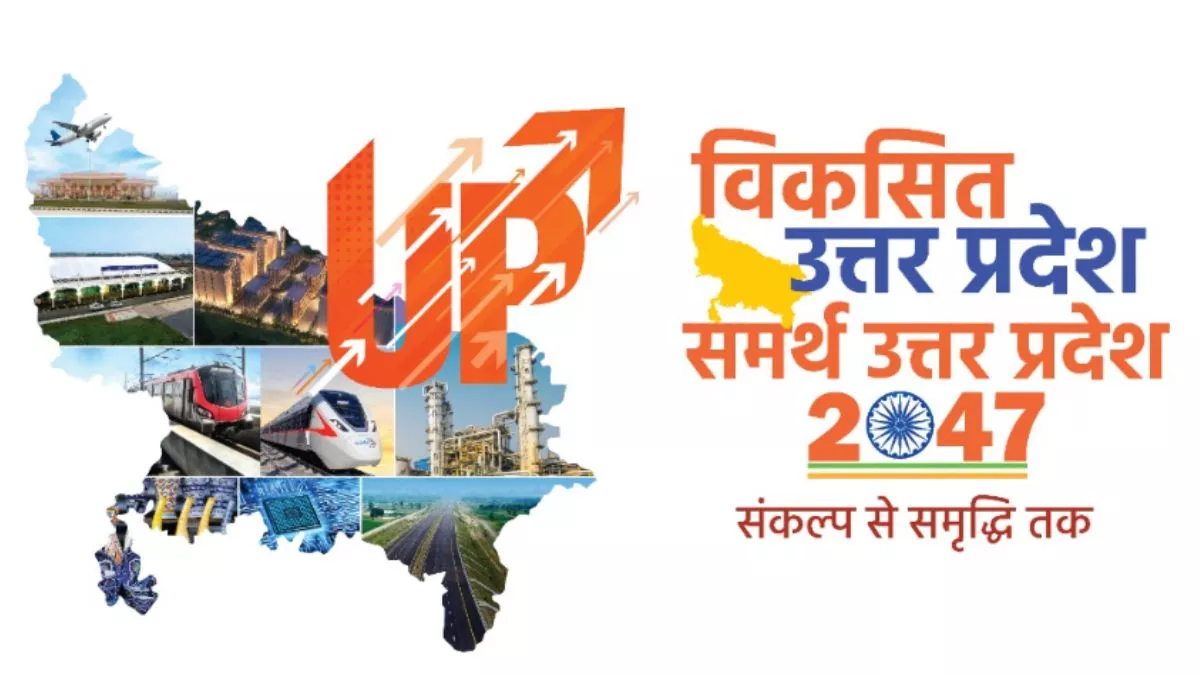
As Uttar Pradesh continues its journey toward becoming a trillion-dollar economy, Yogi Adityanath’s leadership and policies will remain central to discussions about the state’s future and India’s evolving political landscape.



Leave a Reply