
The recently held Viksit UP Baithak in Kanpur brought together policymakers, stakeholders, and citizens to discuss Uttar Pradesh’s transformation journey. During the event, Uttar Pradesh’s Jal Shakti Minister, Swatantra Dev Singh, outlined the government’s achievements in water management, irrigation infrastructure, rural development, and public health while sharing his vision for the state’s future.
The Viksit UP Baithak was not just about presenting statistics; it was also about showcasing how access to water, better infrastructure, and improved governance are changing the daily lives of millions of people across Uttar Pradesh.
Viksit UP Baithak: From Challenges to Development
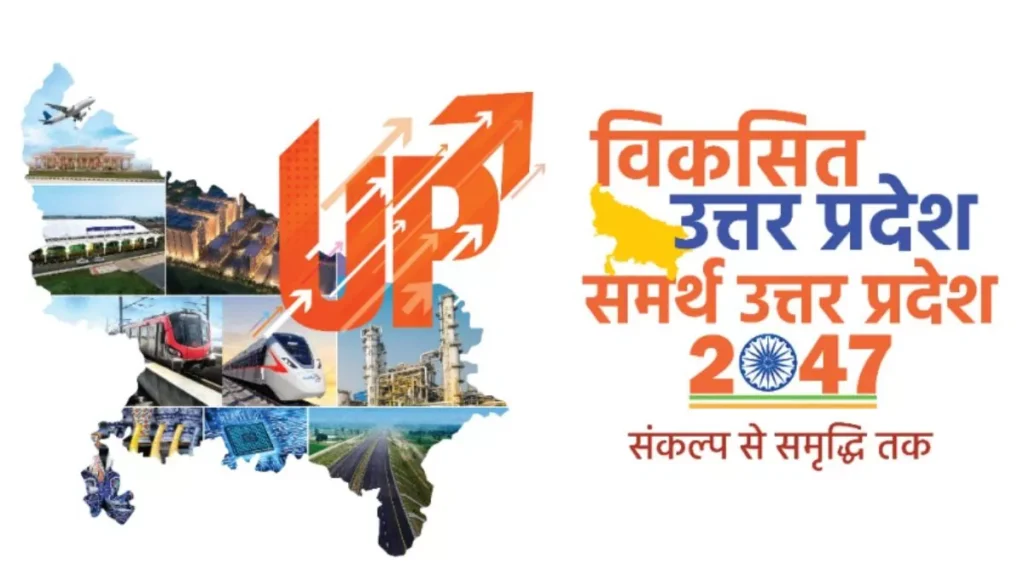
Addressing the gathering, Swatantra Dev Singh contrasted Uttar Pradesh’s current development trajectory with the situation before 2017. He stated that the state has moved away from an era marked by law-and-order concerns and limited investment opportunities toward becoming a hub for investment, infrastructure development, and efficient water management.
According to the minister, the vision of a “Viksit Uttar Pradesh” is rooted in inclusive growth and the principle of Antyodaya—ensuring that the benefits of development reach the last person in society. He emphasized that development should not be limited to urban centers but should extend to villages, farmers, women, and marginalized communities.
Jal Jeevan Mission: Transforming Rural Lives
One of the major highlights of the Viksit UP Baithak was the discussion around the Jal Jeevan Mission, which has significantly expanded access to tap water across the state.
Key Achievements:
- Before 2019, only around 5 lakh households had tap water connections.
- Between 2019 and 2024, the number reportedly increased to 2.41 crore households.
- More than 37,000 villages are now receiving water through the mission.
- Around 27,000 Village Water Committees have certified successful water supply in their respective villages.
Beyond the numbers, the impact can be seen in everyday life. Families that once depended on hand pumps, wells, or long walks to fetch water now have access to clean water at their doorstep. Women, who traditionally bore the burden of water collection, are among the biggest beneficiaries of this transformation.
Bundelkhand’s Changing Story: From Water Scarcity to Water Security
For years, the region of Bundelkhand symbolized drought and water shortages. During the Viksit UP Baithak, Singh claimed that the situation has undergone a remarkable transformation.
The government has focused on restoring dams, expanding surface water projects, and improving water storage capacity. Notable initiatives include:
- Large-scale removal of silt from dams and barrages.
- Repairs at the historic Mata Tila Dam with technical assistance from Indian Institute of Technology Roorkee.
- Promotion of Jal Saheliyas, women volunteers who help manage water resources and encourage community participation.
According to the minister, many villages are now willingly paying water charges because they recognize the value of reliable water supply.
Strengthening Irrigation Infrastructure Across Uttar Pradesh
Agriculture remains the backbone of Uttar Pradesh’s economy, making irrigation infrastructure critical for farmers.
Speaking at the Viksit UP Baithak, Singh highlighted the state’s vast 76,000-kilometer canal network and efforts to ensure water reaches even the tail-end farmers.
The government undertook extensive cleaning and restoration of canals that had remained clogged for years. As a result:
- Water from the Ganga canal system now reaches districts such as Kaushambi, Kanpur Dehat, Etawah, Muzaffarnagar, and Bijnor.
- The Sharda and Sarayu canal networks are supplying water across 16 districts.
- Farmers in previously water-stressed regions are witnessing improved irrigation availability.
For many farming families, consistent irrigation means better crop yields, reduced uncertainty, and increased income opportunities.
Clean Water and Better Health Outcomes
Another major topic discussed during the Viksit UP Baithak was the connection between water management and public health.
The minister credited clean drinking water initiatives and sanitation improvements for reducing water-borne diseases in several regions. He specifically highlighted progress in districts previously affected by Japanese Encephalitis (JE), a disease that once caused significant concern in eastern Uttar Pradesh.
By expanding access to treated water and improving sanitation infrastructure, the government aims to create healthier communities while reducing the burden on healthcare facilities.
Environmental Conservation and River Rejuvenation
The Viksit UP Baithak also focused on environmental sustainability and river conservation efforts.
Major Initiatives Include:
- Installation of 55 Sewage Treatment Plants (STPs).
- Treatment of approximately 4,800 MLD of sewage before discharge into rivers.
- Rejuvenation work on multiple rivers across the state.
- Revival efforts covering 64 rivers under various development programs.
The minister pointed to the increasing presence of Ganges river dolphins as a positive sign of improving river ecosystems.
Focus on the Gomti River
Addressing concerns about the Gomti River, Singh acknowledged the need for continued efforts in the state capital. He noted that departments are working on additional sewage treatment infrastructure to improve water quality and river health.
Accountability and Infrastructure Challenges
Large-scale infrastructure projects often bring temporary challenges. During the Viksit UP Baithak, Singh responded to concerns about damaged roads caused by pipeline installation and construction work.
He explained that project monitoring includes:
- Online documentation and reporting.
- Third-party verification.
- Multi-level engineering inspections.
- Action against contractors found responsible for poor-quality work.
The minister stated that strict measures, including blacklisting and legal action, are taken in cases of negligence.
Viksit UP Baithak and the Road to 2027
The event also touched upon Uttar Pradesh’s political landscape ahead of the 2027 Assembly elections.
Swatantra Dev Singh expressed confidence that development-focused governance, welfare initiatives, and infrastructure improvements would continue to shape public opinion. He emphasized the government’s commitment to inclusive growth, rural development, and improved public services.
According to him, the objective is not only to build roads, canals, and pipelines but also to create opportunities that improve the quality of life for every citizen.
Conclusion
The Viksit UP Baithak in Kanpur highlighted how water management has become a central pillar of Uttar Pradesh’s development strategy. From expanding tap water connections and strengthening irrigation networks to improving public health and rejuvenating rivers, the initiatives discussed reflect a long-term vision for the state.
While challenges remain, the stories emerging from villages receiving tap water for the first time, farmers benefiting from improved irrigation, and communities participating in water conservation efforts add a human dimension to the state’s development narrative. As Uttar Pradesh moves toward 2027, the outcomes of these initiatives will play a significant role in shaping both governance and public perception of the state’s progress.



Leave a Reply