
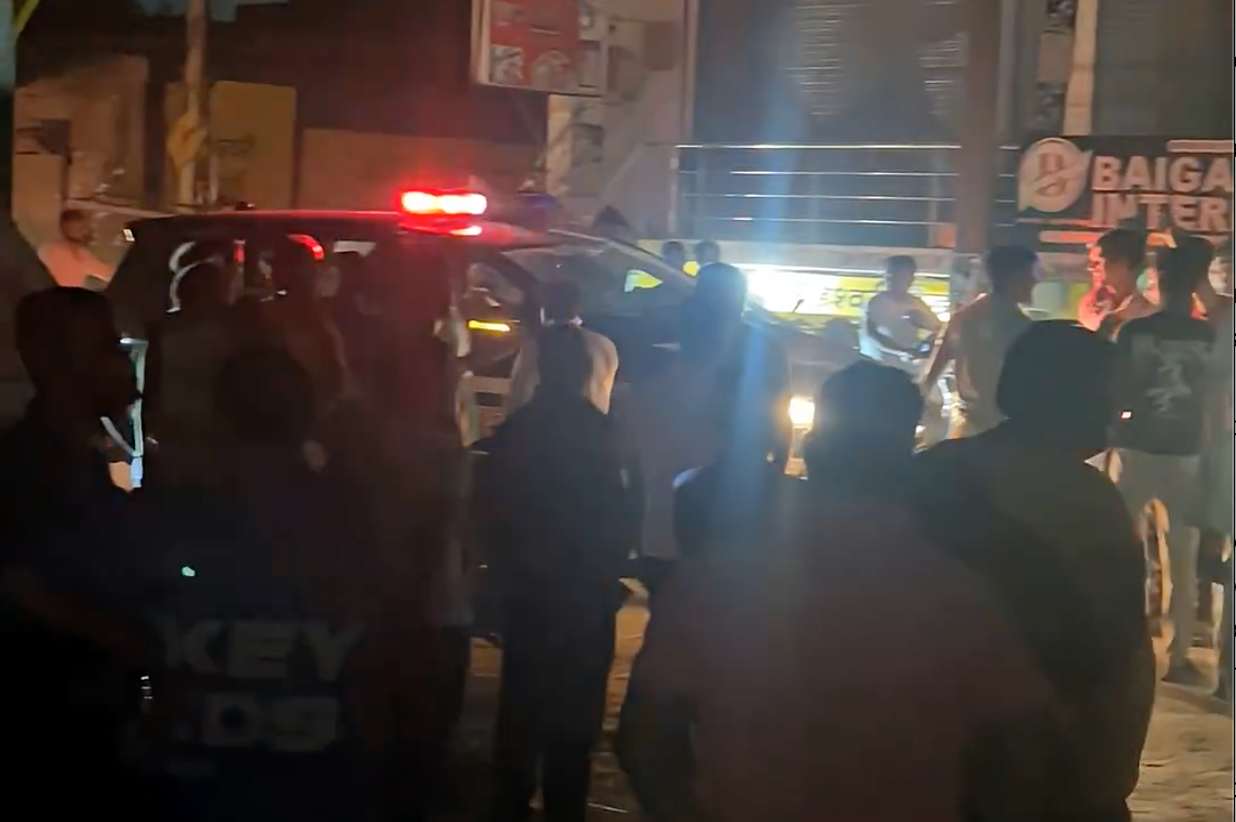
LUCKNOW: As temperatures soar across Uttar Pradesh, thousands of residents in Lucknow are enduring a daily struggle that goes far beyond the summer heat. In several parts of the city, electricity outages lasting more than 36 hours have left homes without fans, coolers, air conditioners, and even drinking water, turning ordinary life into a test of endurance.
For families in areas such as Telibagh, South City, Uthratiya, Nilmatha, and Fazullaganj, the relentless heat has become almost unbearable. Homes feel like ovens, nights offer little relief, and every passing hour without power adds to the frustration.
“We haven’t slept properly for days,” said a resident of Fazullaganj. “The house feels like a furnace. The children are crying, the elderly are suffering, and there is no clear answer on when the electricity will return.”
A Crisis Beyond Electricity
The power cuts have triggered a chain reaction across the city. Without electricity, water pumps stop working, leaving many households without access to water. Families are spending extra money on private water tankers, while others are relying on neighbors or nearby hand pumps for basic needs.
The situation is especially difficult for senior citizens and patients who depend on electrically powered medical equipment. One elderly resident described the fear of watching an oxygen support machine become unusable during a prolonged blackout.
“When the power goes, breathing itself becomes a challenge,” the resident said.
Anger Reaches the Streets
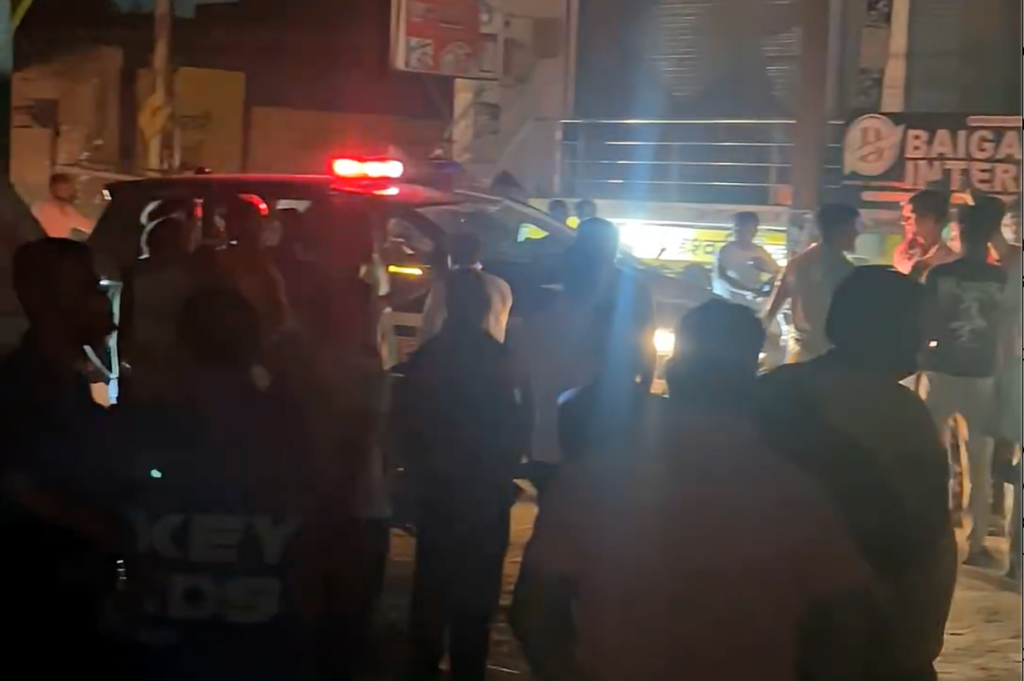
As conditions worsened, public frustration spilled onto the streets. Residents staged protests in Dubagga and Fazullaganj, blocking roads and demanding immediate action. In Uthratiya, angry locals reportedly gathered at the power station late at night, seeking answers from officials.
In some cases, tensions escalated to the point where police intervention became necessary. Protesters allege that authorities threatened legal action and used force to disperse crowds demanding restoration of basic services.
Political Pressure Mounts
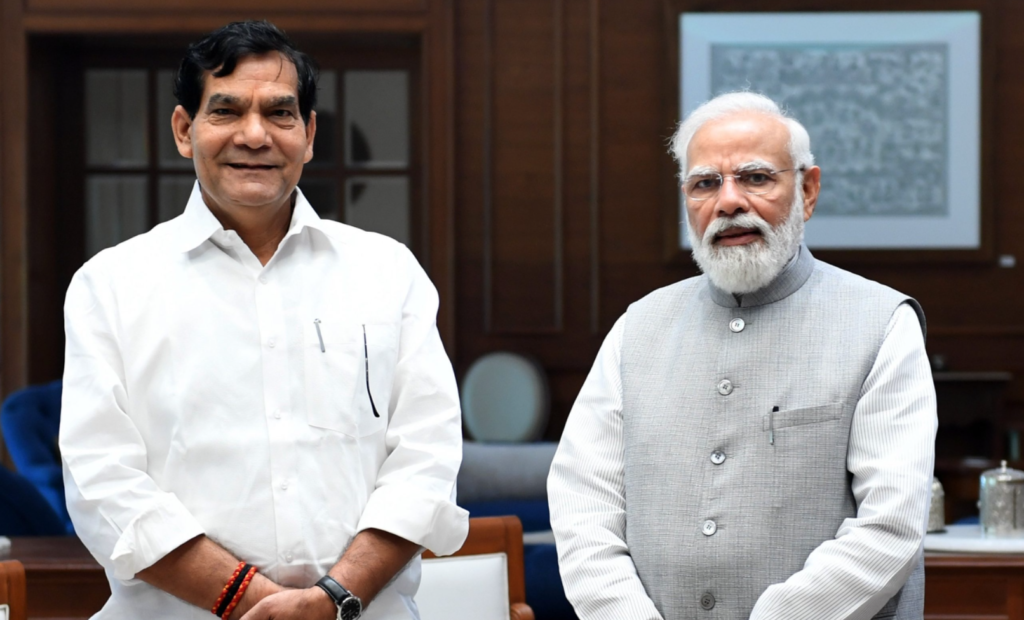
The crisis has also exposed growing political discomfort. Three BJP legislators—Neeraj Bora, Rajeshwar Singh, and O.P. Srivastava—have written to State Energy Minister A.K. Sharma, describing the severe hardships being faced by women, children, and elderly residents.
Meanwhile, Samajwadi Party chief Akhilesh Yadav has criticized the government’s handling of the situation, arguing that official assurances mean little to citizens spending days without electricity or water.
Why Is the System Failing?
Despite government claims of record electricity supply exceeding 31,800 MW, the experience of many residents tells a different story.
Experts point to deeper structural problems:
- Severe staff shortages following the removal of more than 20,000 contractual workers.
- Distribution infrastructure that has failed to keep pace with rising electricity demand.
- Aging transformers, many operating beyond their intended lifespan.
- Repeated breakdowns and maintenance shutdowns at major thermal power stations during peak summer demand.
Across Uttar Pradesh, hundreds of transformers are reportedly failing every day, leaving repair teams struggling to keep up.
Temporary Solutions, Permanent Problems
To provide emergency relief, the Lucknow Electricity Supply Administration (LESA) has deployed mobile “Transformers on Wheels” in some localities. While the initiative offers temporary support, residents say the units are often overloaded and sometimes fail within hours.
Adding to public anger are complaints that officials are difficult to reach when outages occur. Residents say calls often go unanswered while they wait in dark homes for updates.
A Familiar Summer Nightmare
For many citizens, the most troubling aspect of the crisis is that it feels painfully familiar. Every summer brings promises of improvement, yet every year large sections of the city find themselves battling the same combination of extreme heat, power shortages, and water scarcity.
As temperatures remain dangerously high, the gap between official statistics and everyday reality continues to widen. For families spending sleepless nights in sweltering homes, the issue is no longer about megawatts or infrastructure reports—it is about dignity, health, and the basic expectation that a modern city should be able to keep its lights on when its people need them most.
Until lasting solutions replace temporary fixes, much of Lucknow will continue to wait, sweat, and hope for relief in the darkness.




Leave a Reply